
Blog
What Are Some Tips for Grooming Your Pet in Hot Weather?

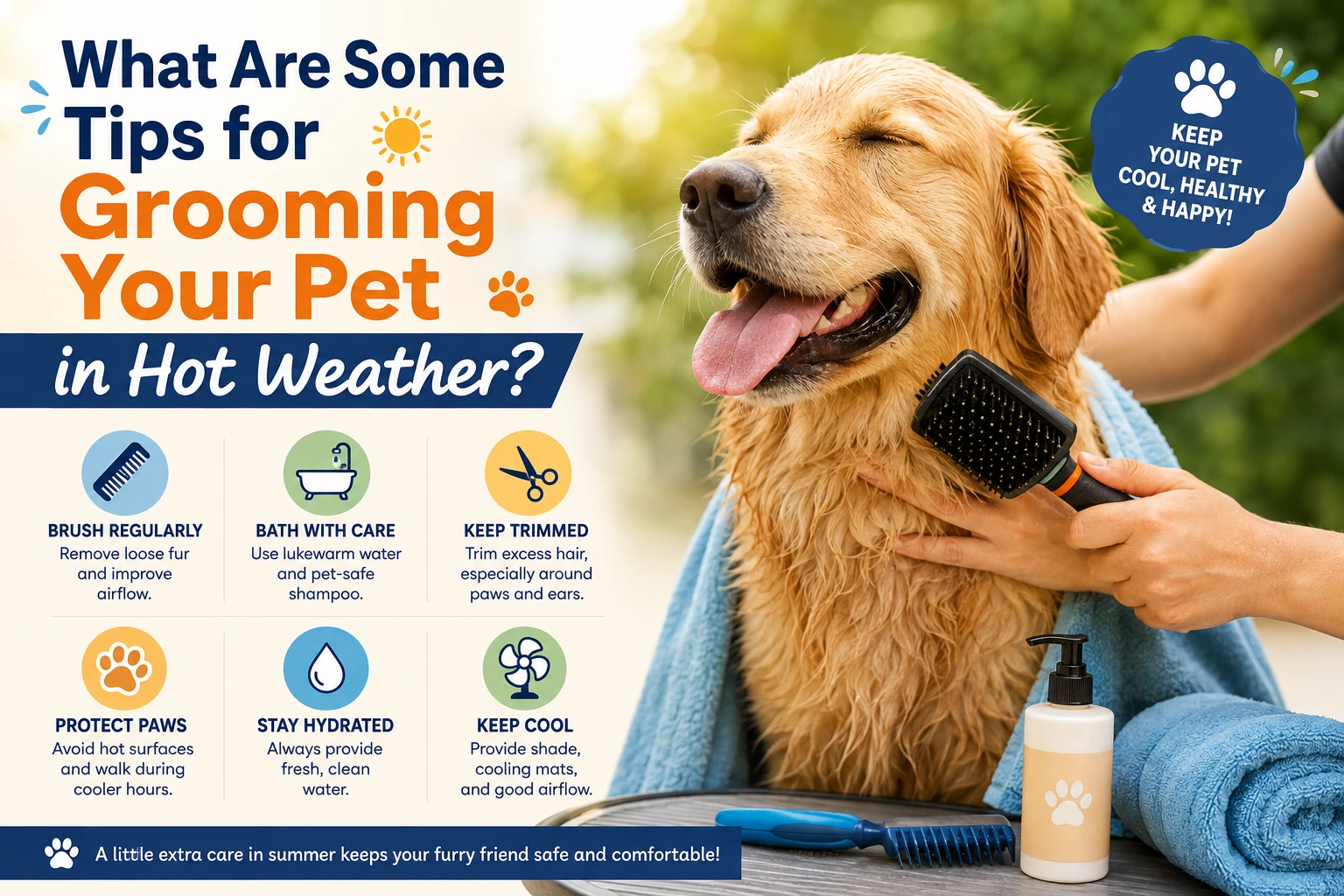
Summer is the perfect season for outdoor adventures with your furry companion, but rising temperatures can quickly become dangerous if your pet isn’t properly cared for. Heat-related illnesses are common during the warmer months, making grooming and proper care more important than ever.
Whether you’re a pet owner or a professional groomer, understanding how to groom pets in hot weather can help prevent overheating, skin irritation, and dehydration. In this guide, we’ll cover essential summer safety tips for dogs, explain how to cool off a dog, and share the best grooming practices to keep your pet comfortable throughout the season.
Why Summer Grooming Matters
A well-groomed pet is generally more comfortable during hot weather. Regular grooming helps remove loose fur, improves air circulation through the coat, reduces matting, and allows you to check for skin problems, ticks, or parasites.
However, many owners make the mistake of shaving their dog’s coat too short, believing it will keep them cooler. For many breeds, the coat actually helps regulate body temperature and protects the skin from harmful UV rays.
Instead of shaving completely, focus on maintaining a healthy, clean, and well-brushed coat.
1. Brush Your Dog Regularly
One of the easiest ways to help your pet stay cool is by brushing regularly.
Benefits include:
- Removes loose undercoat
- Prevents painful mats
- Improves airflow through the coat
- Reduces shedding around the home
- Keeps skin healthier
Dogs with thick double coats especially benefit from consistent brushing during summer.
2. Don’t Shave Every Breed
Many breeds naturally use their coat as insulation.
Double-coated breeds such as:
- Golden Retrievers
- Huskies
- German Shepherds
- Border Collies
should generally not be shaved unless recommended by a veterinarian or professional dog groomer.
Instead, ask your dog groomer for a de-shedding treatment to remove excess undercoat while maintaining natural protection.
3. Bathe Your Pet the Right Way
Summer often means more dirt, mud, swimming, and outdoor fun.
Use a gentle pet shampoo and avoid over-bathing, which can strip natural oils from the skin.
After bathing:
- Dry the coat completely
- Brush thoroughly
- Check ears for moisture
- Trim excess hair around the paws
4. Keep Nails Trimmed
Long nails affect posture and walking, especially on hot sidewalks.
Regular nail trimming helps your dog:
- Walk comfortably
- Maintain proper balance
- Reduce injury risk
- Improve mobility
5. Protect Paw Pads
Hot pavement can burn your dog’s paws within minutes.
Before heading outside:
- Walk early in the morning
- Choose evening walks
- Test pavement with your hand
- Walk on grass whenever possible
If the ground feels too hot for your hand, it’s too hot for your dog’s paws.
6. How to Cool Off a Dog Safely
Knowing how to cool off a dog quickly can prevent heat exhaustion.
Effective cooling methods include:
- Offer plenty of fresh water
- Move to a shaded area
- Use cooling mats
- Place damp towels on the belly and paws
- Use fans for airflow
- Allow access to air-conditioned rooms
Avoid using ice-cold water, as sudden temperature changes may cause discomfort.
7. Watch for Signs of Heat Stress
Heat exhaustion can become life-threatening if ignored.
Common warning signs include:
- Heavy panting
- Drooling
- Bright red gums
- Weakness
- Vomiting
- Confusion
- Difficulty walking
- Collapse
If you notice these symptoms, cool your pet gradually and contact your veterinarian immediately.
8. Schedule Grooming During Cooler Hours
If you’re visiting a dog grooming salon, try booking appointments during:
- Early morning
- Late afternoon
This helps minimize exposure to extreme temperatures during travel.
9. Keep Your Dog Grooming Tools Clean
Professional grooming tools should always be sanitized after each use.
Clean equipment:
- Prevents bacteria buildup
- Reduces skin infections
- Extends tool lifespan
- Provides a better grooming experience
Professional groomers should also wear lightweight, breathable Dog grooming apparel to stay comfortable during busy summer days.
10. Keep Pets Hydrated
Hydration is one of the most important parts of summer safety for dogs.
Always provide:
- Clean drinking water
- Portable water bowls for walks
- Water breaks during play
- Extra hydration after grooming sessions
Never leave your pet in a parked vehicle, even for a few minutes.
Summer Safety Tips for Dogs
Here’s a quick checklist to help protect your dog during hot weather:
- Brush regularly
- Avoid shaving double-coated breeds
- Provide fresh water at all times
- Walk during cooler hours
- Protect paws from hot pavement
- Never leave dogs in parked cars
- Watch for signs of heatstroke
- Keep grooming appointments consistent
- Use cooling products when needed
- Maintain a clean, healthy coat
Common Grooming Mistakes During Summer
Avoid these common errors:
- Shaving every breed too short
- Using human shampoo
- Walking during peak afternoon heat
- Ignoring excessive panting
- Forgetting ear care after swimming
- Over-bathing your dog
- Neglecting hydration
Final Thoughts
Hot weather doesn’t have to keep your pet from enjoying the outdoors—but it does require extra care. A consistent grooming routine, plenty of hydration, and attention to the signs of heat stress can make all the difference during the summer months.
Whether you’re caring for your own dog or working as a professional groomer, following these summer safety tips for dogs helps keep pets healthy, comfortable, and protected. Pair good grooming habits with breathable, professional grooming apparel, and you’ll be ready to handle the busiest days of the season while keeping every pet’s well-being a top priority.
Frequently Asked Questions
Should I shave my dog during summer?
Not always. Many breeds use their coat as natural insulation. Consult a professional groomer before shaving.
How often should I groom my dog in hot weather?
Most dogs benefit from brushing several times a week and professional grooming every 4–8 weeks, depending on their breed and coat type.
How can I tell if my dog is overheating?
Watch for excessive panting, drooling, weakness, vomiting, red gums, or collapse. Seek veterinary care immediately if symptoms become severe.
What’s the best way to cool off a dog?
Move your dog to a cool area, provide fresh water, use cool (not icy) damp towels on the paws and belly, and improve airflow with a fan or air conditioning.